
Celebrating the Vibrant Acquisitions of 2010: A Carnival Retrospective
By Ines Morales · · 4 min read
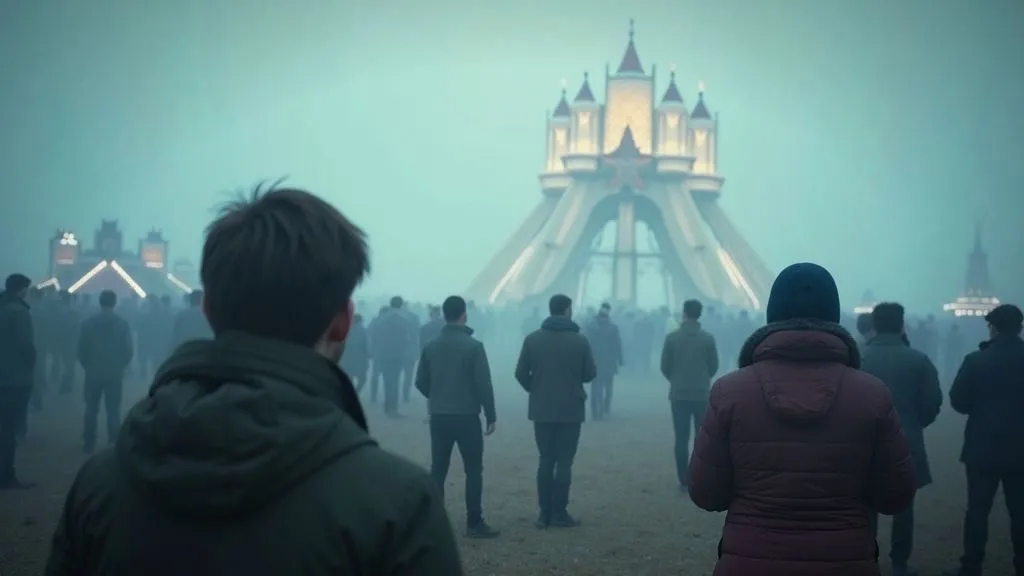
The rich tapestry of carnival history is woven from a multitude of threads, each depicting a unique aspect of cultural celebration. The year 2010 was pivotal, marked by significant acquisitions that contributed to the ongoing evolution of carnival traditions. This article delves into the noteworthy acquisitions from that year, highlighting their importance to the vibrant world of carnival festivities.
A Year of Rich Contributions
In 2010, numerous organizations, artists, and cultural institutions made strides to preserve and expand on carnival traditions. The acquisitions varied widely, from costumes and artifacts to archival materials, each playing a crucial role in enriching the carnival experience. These contributions not only celebrate the historical aspects of carnival but also breathe new life into contemporary practices.
Key Acquisitions: A Closer Look
The Costume Collection from the École de Danse
One of the standout acquisitions of 2010 was the extensive costume collection obtained from the École de Danse, which had been a significant supporter of carnival arts for decades. This collection featured over 150 costumes, encompassing a variety of styles and designs representative of different eras and themes in carnival history.
The costumes serve as both artistic masterpieces and functional pieces of performance art. They reflect the innovation and creativity that artists brought to the carnival stage, showcasing intricate beadwork, vibrant colors, and remarkable craftsmanship. This acquisition allows for a deeper understanding of how costume design has evolved while providing a visual narrative of the cultural shifts within carnival celebrations.
Archival Documents from Local Cultural Centers
Another noteworthy acquisition came in the form of archival documents sourced from various local cultural centers. These documents encompass flyers, posters, and promotional materials from past carnivals, offering a glimpse into how these events were marketed and perceived by the public.
These materials not only document the history of carnival celebrations but also highlight social changes and community engagement over time. They are invaluable resources for researchers and historians, providing context and continuity in the understanding of carnival as a living tradition.
The Artistic Expressions of 2010
Artistic expression is at the heart of carnival, and 2010 saw many artists contributing new works to the festival landscape. The acquisitions made during this year included pieces that pushed the boundaries of traditional carnival art forms.
Installations by Contemporary Artists
Several contemporary artists embraced carnival themes in their installations. These works incorporated elements of performance art, mixed media, and interactive experiences, engaging audiences in ways that traditional carnival art often did not.
For instance, an installation featuring life-sized puppets and kinetic sculptures became a focal point at carnival exhibitions. This piece not only captured the spirit of celebration but also encouraged viewers to reflect on the deeper narratives present within carnival traditions. The inclusion of such contemporary pieces in the carnival canon is essential for bridging the gap between the past and present, ensuring that the art form continues to evolve.
The Role of Community in Acquisitions
The success of carnival relies heavily on community involvement, and 2010 was no exception. Many of the acquisitions made during this year came from grassroots initiatives and local artisans who dedicated their time and talent to support the festival.
Community-Driven Craftsmanship
Local craftsmen and women contributed handmade items that celebrated carnival themes, from intricate masks to decorative floats. These acquisitions emphasized the importance of community collaboration and the significant role that local artisans play in keeping carnival traditions alive.
By incorporating these handmade creations into the larger framework of carnival celebrations, organizers highlighted the connection between the cultural heritage of the community and the broader carnival narrative. The 2010 acquisitions served as a reminder of the diverse voices that contribute to this vibrant festival.
Preserving the Legacy
As we reflect on the significant acquisitions of 2010, it’s crucial to recognize their role in preserving the legacy of carnival. Each piece acquired serves not just as an artifact but as a testament to the ongoing dialogue between past and present.
Protecting Cultural Heritage
The importance of safeguarding carnival traditions cannot be overstated. The acquisitions made during this year provided opportunities for education and outreach, allowing future generations to engage with their cultural heritage. By documenting and preserving these items, we create pathways for understanding the significance of carnival in various cultural contexts.
Through exhibitions, workshops, and community events centered around these acquisitions, the carnival continues to thrive. This engagement ensures that the stories encapsulated within each costume, document, or artistic expression are shared, celebrated, and preserved for years to come.
Looking Ahead: The Future of Carnival Acquisitions
Reflecting on the acquisitions of 2010 prompts us to consider what the future holds for carnival. As new artists emerge and communities continue to evolve, the possibilities for innovative acquisitions are endless.
By fostering a spirit of collaboration and creativity, future acquisitions can pave the way for a more inclusive and diverse representation of carnival. This ongoing commitment to celebrating and preserving the essence of carnival will undoubtedly enrich the experiences of all who participate in these vibrant festivities.
In conclusion, the acquisitions of 2010 stand as a beacon of artistic expression, cultural heritage, and community engagement. They remind us of the importance of innovation while honoring the traditions that have shaped the carnival landscape. As we move forward, let us embrace the potential for new stories to emerge, ensuring that carnival remains a dynamic celebration of culture and creativity.