
The Heart of Carnival: Unveiling the Cultural Significance Behind the Festivities
By Ines Morales · · 4 min read
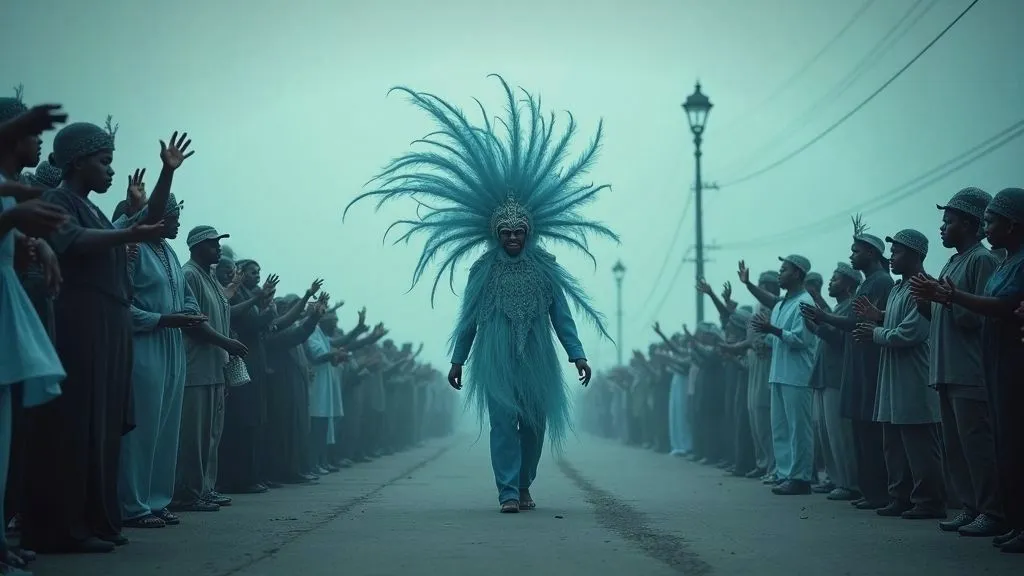
Carnival is not just a vibrant display of colorful costumes and lively parades; it is a rich tapestry woven with history, culture, and community spirit. As cities around the globe prepare for their annual festivities, it’s essential to delve deeper into what makes carnival a beloved celebration. In this article, we will explore the cultural significance of carnival, its roots, and how it continues to shape communities and foster connections today.
Historical Roots of Carnival Celebrations
Carnival celebrations have deep historical roots that date back centuries. Originating primarily in Europe, these festivities were traditionally held before the austere period of Lent in the Christian calendar. The word “carnival” itself is believed to be derived from the Latin phrase “carne vale,” meaning “farewell to meat.” This reflects the time of indulgence before the fasting season that followed.
Ancient Traditions and Influences
The early forms of carnival can be traced back to ancient pagan festivals. For instance, Roman Saturnalia and Greek Dionysian festivals were characterized by revelry, feasting, and a temporary reversal of social norms. These early celebrations often involved masks and costumes, allowing individuals to embrace different identities—an aspect that remains central to carnival today.
As Christianity spread, these pagan traditions intermingled with religious practices. Carnival became a time for communities to come together and celebrate before the solemnity of Lent. The integration of local customs, folklore, and rituals has led to the diverse forms of carnival we see across the globe.
The Role of Community in Carnival
At its core, carnival is a communal experience. It brings people together, fostering unity and collaboration among participants. From the elaborate planning of parades to the creation of costumes, carnival is a labor of love that involves the entire community.
A Collaborative Effort
In many towns and cities, carnival preparations begin months in advance. Local organizations, schools, and businesses often partner to create floats, design costumes, and organize events. This collaborative effort not only strengthens community bonds but also instills a sense of pride among participants. Each float and costume tells a story, reflecting local culture, history, and values.
Celebrating Diversity
Carnival also serves as a platform for celebrating diversity. Different cultural influences come together to create a unique celebration that reflects the community’s identity. For instance, in places like Rio de Janeiro, the blending of African, Indigenous, and European traditions gives rise to a vibrant and multifaceted carnival experience. This cultural exchange enriches the festivities, allowing participants and spectators to appreciate the beauty of diversity.
The Transformative Power of Carnival
Beyond its festive appearance, carnival holds transformative power for individuals and communities alike. It allows for self-expression and creativity, providing an avenue for people to showcase their talents and artistry.
Personal Liberation Through Costumes
Costumes play a pivotal role in carnival celebrations. They offer individuals a chance to break free from societal norms and express their true selves. Wearing a costume can be liberating; it allows participants to assume different personas and embrace creativity without fear of judgment. This aspect of carnival encourages individuals to step out of their comfort zones and engage with others in a spirit of camaraderie.
Economic Impact and Opportunities
The carnival industry also has a significant economic impact on local communities. Events draw tourists from around the world, providing a boost to local businesses. Hotels, restaurants, and shops often see increased foot traffic during carnival season. Moreover, local artisans and craftsmen benefit from the demand for costumes, decorations, and merchandise.
This economic ripple effect underscores the importance of carnival beyond mere entertainment. It is a vital component of community livelihood, creating jobs and fostering entrepreneurship within the creative sector.
Carnival as a Form of Social Commentary
Interestingly, carnival has historically served as a platform for social commentary and political expression. The light-hearted nature of the festivities allows for satire and critique of societal issues. Through parades, performances, and street art, carnival participants can address complex topics in a way that is both accessible and engaging.
Satire and Critique Through Performance
Many carnival celebrations incorporate elements of satire, using humor to comment on contemporary issues. Performers may portray political figures or highlight social injustices, offering a critique wrapped in entertainment. This ability to convey serious messages through humor creates a unique space for dialogue and reflection, enabling communities to engage with pressing issues in a meaningful way.
Empowering Marginalized Voices
In some contexts, carnival has also served as a means of empowerment for marginalized groups. The visibility afforded by the festivities can amplify voices that are often overlooked. By showcasing diverse experiences and stories, carnival can foster understanding and empathy among different segments of society.
Conclusion: The Enduring Spirit of Carnival
As we celebrate carnival, it’s essential to recognize its profound cultural significance. Beyond the festivities lies a rich history, a sense of community, and a platform for self-expression and social critique. From its ancient roots to its modern interpretations, carnival continues to evolve while remaining a cherished tradition.
As you partake in the vibrant celebrations, take a moment to appreciate the stories and connections that lie at the heart of carnival. Embrace the spirit of unity and creativity, and remember that carnival is not merely an event—it is a living culture that thrives through the passion of its participants.